Ingredients
How to Stock a Hardworking Pantry
The staples, flavor boosters, and organizing habits our test kitchen relies on, plus five dinners you can make tonight without a trip to the store.
A well-stocked pantry is the difference between ordering takeout and making a satisfying dinner in 20 minutes. It does not require a walk-in closet or a huge budget. It requires a thoughtful collection of staples that combine into dozens of meals. Here is how our test kitchen builds a pantry that works hard, plus how to keep it organized so nothing goes to waste.
Start with how you actually cook
There is no universal pantry list. A household that cooks a lot of Mexican and Caribbean food needs dried beans, chiles, and cumin; a family that loves Italian food needs canned tomatoes, pasta, and good olive oil. Before you shop, look at the ten meals you make most often and note the shelf-stable ingredients they share. Build around those, then expand gradually.
The core pantry
Oils, vinegars, and acids
- Extra-virgin olive oil for dressings and finishing
- A neutral oil such as canola or vegetable oil for high-heat cooking
- Two vinegars: red wine vinegar and rice vinegar cover most needs, and apple cider vinegar is a great third
Salt, spices, and seasonings
- Kosher salt for cooking and a flaky salt for finishing
- Whole black peppercorns and a pepper mill
- Essential spices: ground cumin, smoked paprika, chili powder, dried oregano, crushed red pepper flakes, ground cinnamon, and bay leaves
- Soy sauce or tamari, which adds savory depth to far more than stir-fries
- Dijon mustard and your favorite hot sauce
Grains and starches
- Long-grain white rice and one whole grain such as brown rice, farro, or quinoa
- Two pasta shapes, one long and one short
- Old-fashioned rolled oats
- Panko or plain dried breadcrumbs
Canned and jarred goods
- Tomatoes: whole peeled and crushed
- Beans: black beans and chickpeas, canned or dried
- Coconut milk for curries, soups, and rice
- Chicken or vegetable broth in cartons or as a concentrated base
- Canned tuna or salmon for quick salads and pastas
- Tomato paste, ideally in a tube so you can use a tablespoon at a time
Baking basics
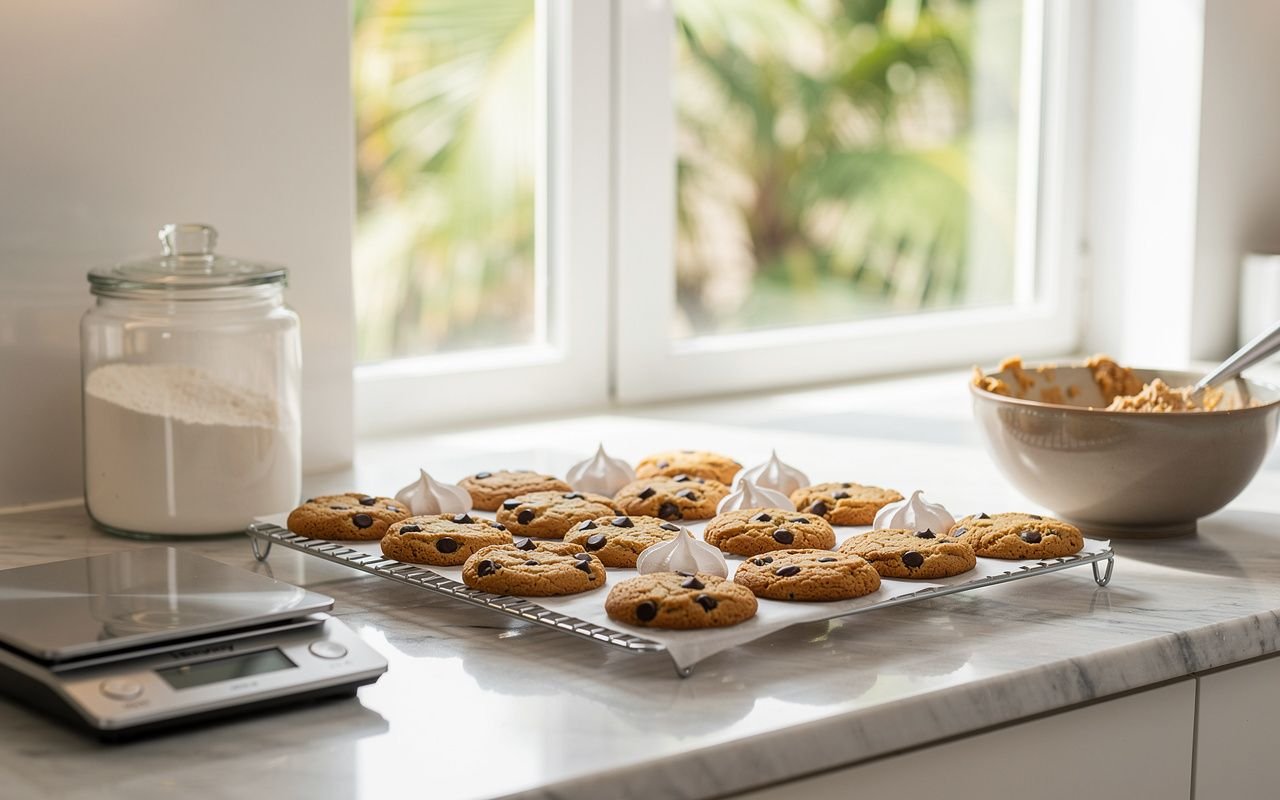
- All-purpose flour, granulated sugar, and brown sugar
- Baking soda and baking powder
- Pure vanilla extract
- Honey or maple syrup
Fresh staples that keep for weeks
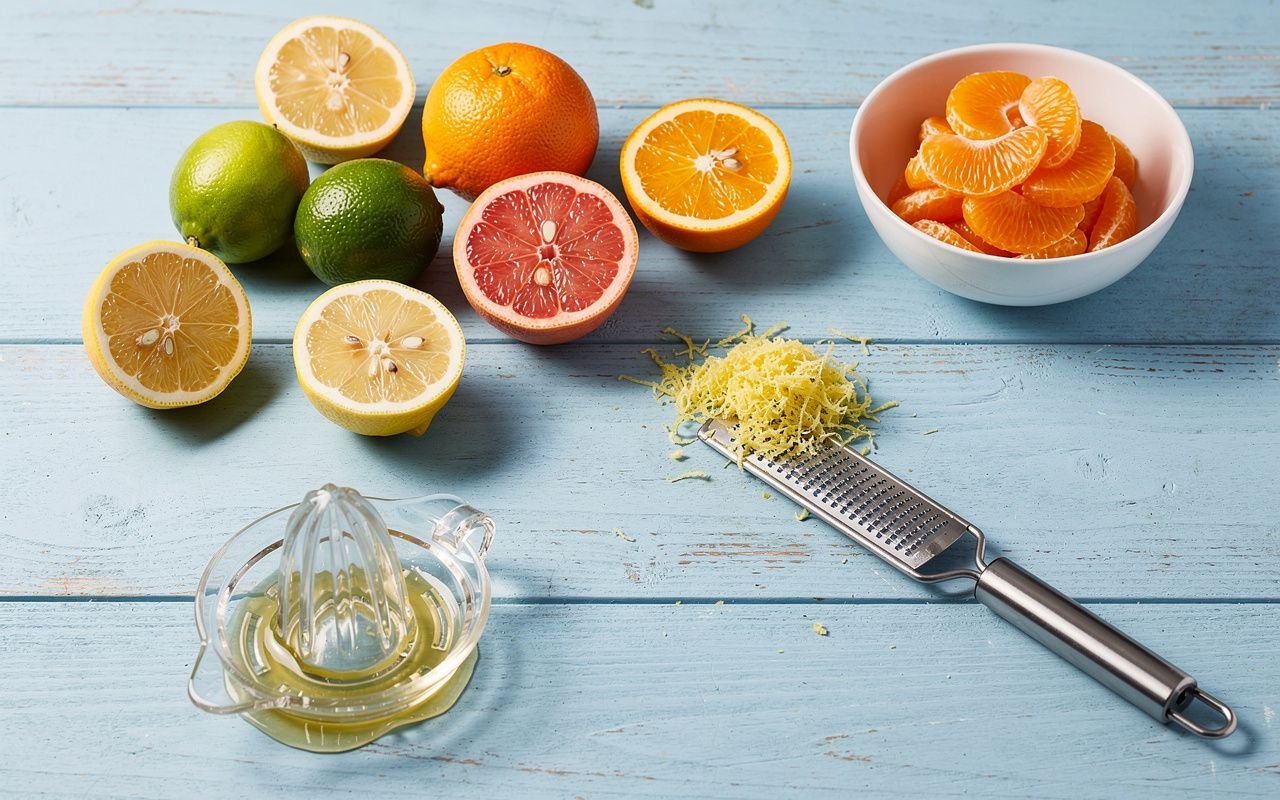
A true working pantry includes a few long-lasting fresh items. Onions, garlic, and potatoes keep for weeks in a cool, dark, well-ventilated spot; store onions and potatoes apart, since onions can make potatoes sprout faster. Lemons and limes keep for about a month in the refrigerator. Eggs, butter, a hard aged cheese, and plain yogurt round out the list. Keep frozen peas, spinach, and corn in the freezer for vegetables on demand.
Flavor boosters worth the shelf space
Once your core is covered, a few intense ingredients can transform simple meals. Consider anchovies or fish sauce for savory depth, capers and olives for briny punch, chipotles in adobo for smoky heat, toasted sesame oil for aroma, miso paste, and a jar of good salsa. A little of each goes a long way, so a single jar lasts for months.
Five pantry dinners you can make tonight
- Pasta puttanesca: canned tomatoes, garlic, olives, capers, anchovies, and red pepper flakes tossed with spaghetti.
- Black bean soup: sauteed onion and garlic, cumin, black beans, and broth, partially blended and finished with lime.
- Coconut chickpea curry: onion, garlic, curry spices, chickpeas, coconut milk, and frozen spinach over rice.
- Fried rice: leftover rice, eggs, frozen peas, soy sauce, and a drizzle of sesame oil.
- Shakshuka: eggs gently poached in a spiced tomato sauce, served with toast.
Keep it organized
- First in, first out. When you unpack groceries, move older items to the front and put new ones behind them.
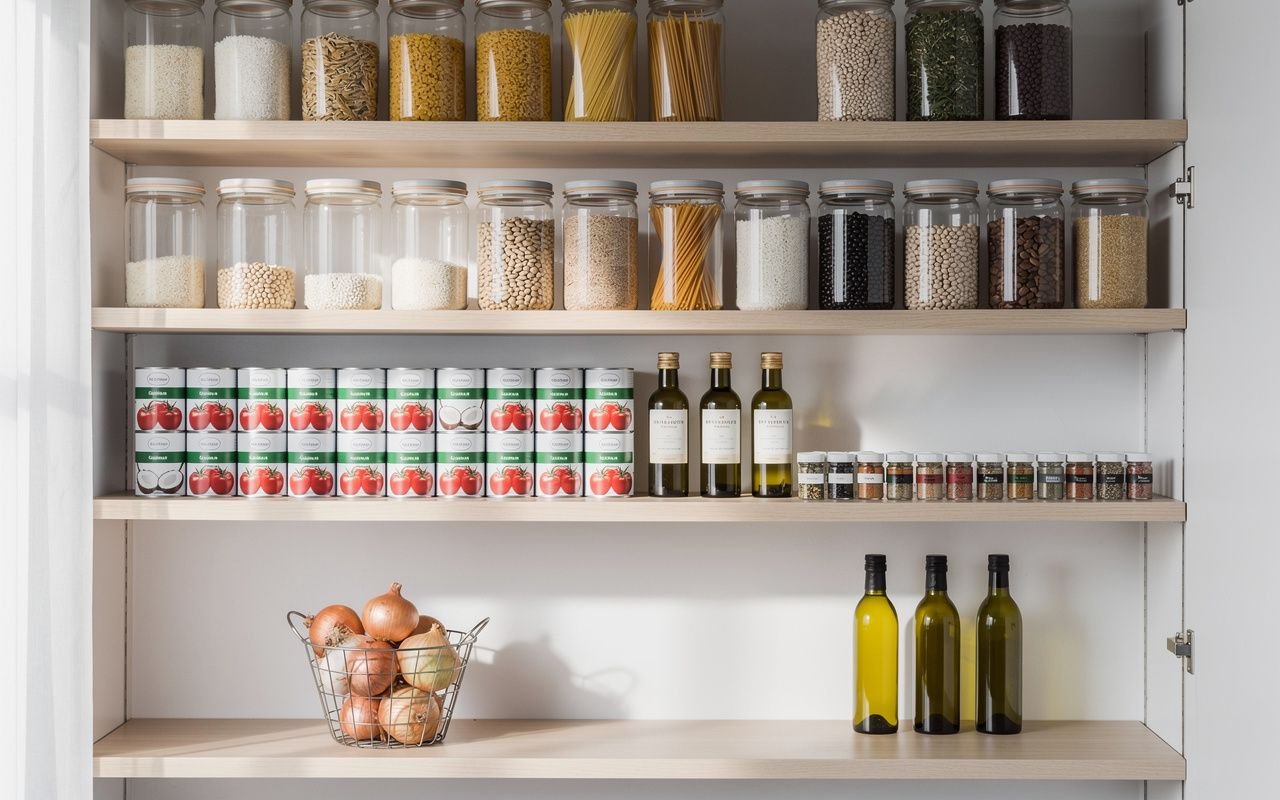
- Use clear, airtight containers for grains, flour, and sugar. They keep out pests and humidity and show you what is running low.
- Label and date anything you move out of its original package.
- Group by category so you always know where to look: baking, grains, cans, and condiments.
- Keep a running list on the pantry door or your phone and add items the moment you open the last one.
Know when things expire
Most dry goods last a long time, but not forever. Ground spices lose potency after about 6 months to a year, so buy smaller jars and give them a sniff; if the aroma is faint, replace them. Whole-grain flours, nuts, and seeds contain oils that turn rancid, so store them in the refrigerator or freezer, especially in warm climates. Keep cooking oils away from the heat of the stove and use them within a few months of opening. Canned goods keep for a long time, but discard any cans that are bulging, leaking, rusted, or deeply dented along the seams.
Build it gradually
You do not need to buy everything at once. Add a few items with each grocery trip, focusing on what fills gaps in your favorite recipes. Within a month or two, you will have a pantry that makes cooking at home the easy choice, even on the busiest nights.
Want every recipe mentioned in the journal? Try the club free for 15 days.