Ingredients
Cooking with Citrus: How to Use Zest, Juice, and Segments
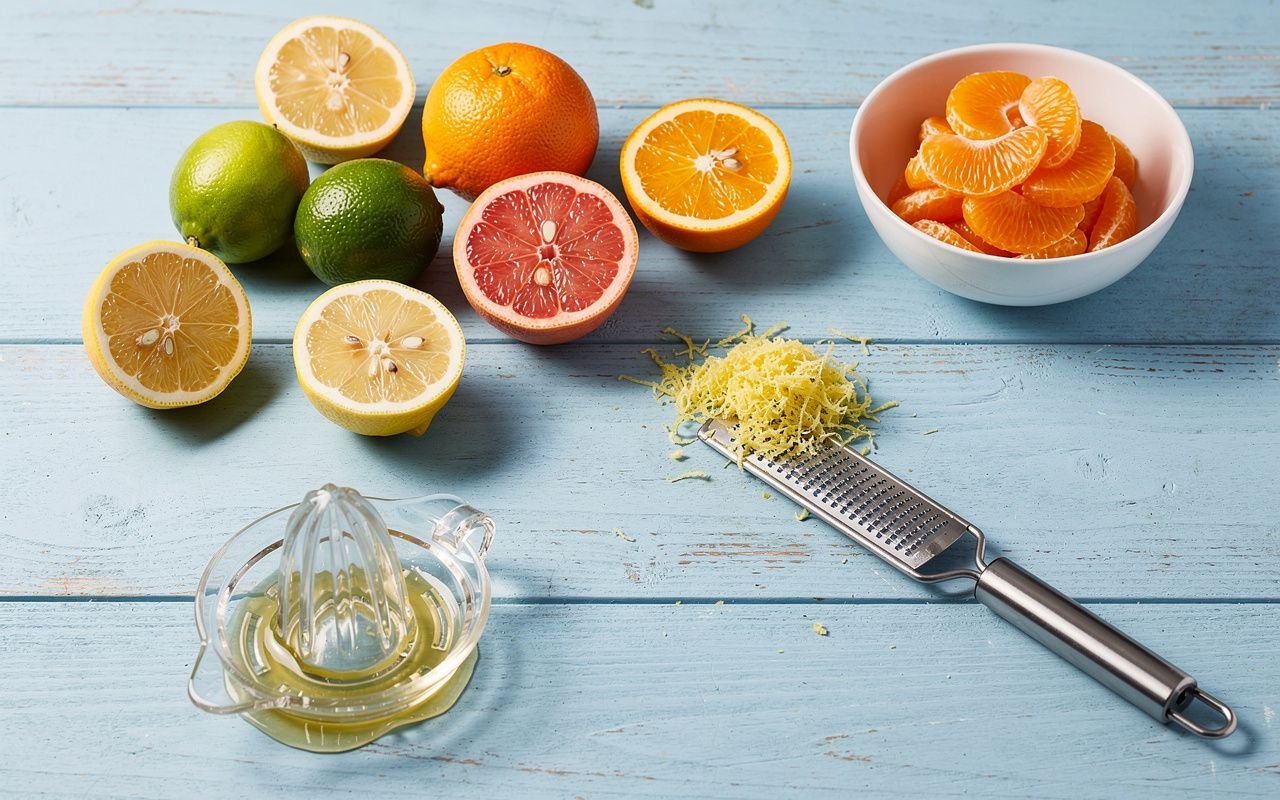
A squeeze of lime or a pinch of lemon zest can wake up almost any dish. Learn which part of the fruit to use, when to add it, and how to get more juice.
In our kitchen, citrus is not a garnish. It is a staple. A squeeze of lime wakes up black beans, orange juice is the backbone of a good marinade, and a spoonful of lemon zest can make a plain bowl of pasta taste like summer. Understanding how to use each part of the fruit, and when to add it, is one of the easiest ways to make your cooking brighter.
Know your fruit
- Lemons are bright, clean, and very tart. They pair with nearly everything, from seafood and chicken to vegetables and baked goods.
- Limes are sharper and more floral, and they shine in Latin, Caribbean, and Southeast Asian cooking. Key limes are smaller, more aromatic, and slightly more bitter.
- Oranges bring sweetness with gentle acidity. Sour oranges, common in Cuban cooking, are tart enough to use like lemons in marinades.
- Grapefruit adds a pleasant bitterness that is great in salads, with avocado, or alongside rich fish.
- Tangerines and mandarins are sweet, easy to peel, and lovely in desserts and salsas.
Three parts, three jobs
Zest: the aroma
The colored outer layer of the peel holds the fruit's essential oils, which is where most of the fragrance lives. Zest delivers citrus flavor without adding liquid or much acidity, which makes it perfect for baked goods, spice rubs, compound butters, and dressings. Use a fine rasp grater and remove only the colored layer, since the white pith underneath is bitter.
To get the most flavor into a cake or cookie, rub the zest into the sugar with your fingertips for a minute before mixing. The sugar crystals release the oils, and the whole batter becomes fragrant.
Juice: the acid
Juice brings acidity, which balances fat, cuts richness, and sharpens other flavors. Use fresh juice whenever possible; bottled juice tastes flat and sometimes bitter. A medium lemon gives about 3 tablespoons of juice, and a medium lime about 2 tablespoons.
Segments: the texture
Peeled segments, often called supremes, add juicy bursts to salads and salsas. To cut them, slice off the top and bottom of the fruit, stand it upright, and cut away the peel and pith following the curve. Then slice between the membranes to release each segment.
Timing is everything
Citrus behaves differently depending on when you add it. Heat dulls fresh citrus flavor, so the brightest results come from adding at least some juice or zest at the end.
- At the start: Citrus in a marinade seasons the surface and adds brightness. Keep acidic marinades short for seafood, about 15 to 30 minutes, because acid firms the flesh and turns it opaque. Chicken and pork can marinate for a few hours.
- During cooking: A splash of juice deglazes a pan and lifts browned bits into a sauce. Let it reduce slightly to mellow.
- At the end: A squeeze of juice and a sprinkle of zest just before serving make soups, stews, beans, rice, and roasted vegetables taste vivid. If a dish tastes flat but has enough salt, acid is usually what is missing.
Getting more from every fruit
- Zest before you juice. It is nearly impossible to zest a squeezed half.
- Roll it first. Press and roll the fruit firmly on the counter to break down the inner membranes.
- Warm cold fruit. Room-temperature citrus gives more juice than fruit straight from the fridge. A few seconds in the microwave helps in a pinch.
- Cut limes around the core. Instead of halving a lime, slice the sides off around the center. The pieces are easier to squeeze and yield more juice.
- Catch the seeds. Squeeze over your cupped hand or a small strainer.
Selecting and storing citrus
Choose fruit that feels heavy for its size, which signals plenty of juice. The skin should be glossy and give slightly when pressed; very thick, bumpy skin often means less juice. Citrus keeps on the counter for about a week, but it lasts three to four weeks in the refrigerator crisper drawer.
Have extra fruit? Freeze juice in ice cube trays, then transfer the cubes to a freezer bag. Zest freezes well too, in a small airtight container. Both are handy for weeknight cooking.
Easy ways to cook with more citrus
- Citrus salt: Mix the zest of two limes with 1/4 cup flaky salt and let it dry on a plate overnight. Sprinkle it on grilled fish, fresh fruit, or popcorn.
- Brown butter and lemon: Brown butter in a skillet, then add lemon juice and zest. Spoon it over fish, green beans, or gnocchi.
- Mojo-style marinade: Combine orange and lime juice with garlic, cumin, oregano, and olive oil for pork or chicken.
- Quick citrus vinaigrette: Whisk 3 tablespoons citrus juice, 1 teaspoon zest, 1 teaspoon honey, a pinch of salt, and 1/3 cup olive oil.
- Roasted citrus: Roast lemon or orange halves alongside chicken, then squeeze the caramelized juice over the finished dish.
A note on reactive pans
Acidic citrus can react with bare aluminum, unlined copper, and cast iron, especially during long cooking, which may create off flavors and discoloration. For marinades, use glass, stainless steel, or food-safe plastic. For citrus-heavy sauces, stainless steel or enameled cookware is the safest choice.
Keep a bowl of lemons and limes on your counter and reach for them often. Once you start finishing dishes with a little zest and a squeeze of juice, you will wonder how you ever cooked without them.
Want every recipe mentioned in the journal? Try the club free for 15 days.