Meal Planning
Smart Food Storage: Keep Produce and Leftovers Fresh Longer
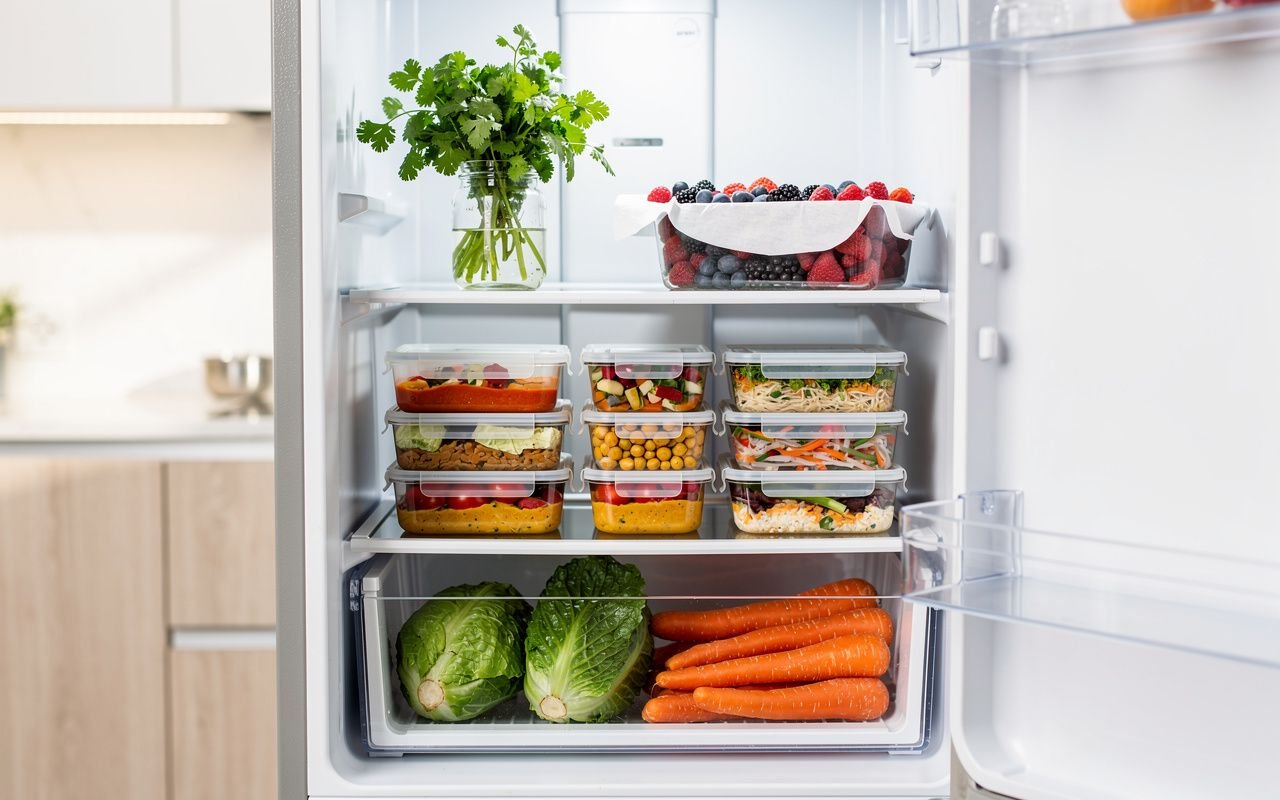
Where to store every kind of produce, the leftover rules that keep your family safe, and freezer and container habits that cut waste and save money.
A surprising amount of the food we buy ends up in the trash, and much of it was simply stored in the wrong place or the wrong way. Wilted herbs, slimy salad greens, and forgotten leftovers add up to real money over a year. The good news is that a few storage habits, and the right containers, can make groceries last days or even weeks longer.
Start with your refrigerator
Keep your refrigerator at 40 degrees F or below and your freezer at 0 degrees F. An inexpensive appliance thermometer is worth having, because built-in dials are not always accurate. Temperatures also vary inside the fridge, and using those zones wisely helps food last:
- Door: The warmest spot. Use it for condiments, juices, and other items that resist spoilage, not for milk or eggs.
- Upper shelves: Fairly steady temperatures. Great for leftovers, drinks, yogurt, and ready-to-eat foods.
- Lower shelves: Usually the coldest area. Store raw meat, poultry, and seafood here on a plate or tray so juices cannot drip onto other foods.
- Crisper drawers: Designed to manage humidity for produce.
Use crisper drawers correctly
If your drawers have adjustable vents, set one to high humidity with the vent closed and one to low humidity with the vent open. High humidity keeps leafy greens, carrots, broccoli, and other vegetables that wilt from losing moisture. Low humidity is best for fruits that release ethylene, a natural ripening gas, such as apples, pears, and ripe stone fruit. The open vent lets that gas escape so nearby produce does not ripen and spoil too quickly.
What not to refrigerate
Some produce loses flavor or texture in the cold:
- Tomatoes turn mealy, so keep them on the counter until fully ripe.
- Bananas, avocados, mangoes, and peaches should ripen at room temperature. Once ripe, avocados and peaches can be refrigerated for a few extra days.
- Potatoes, onions, and garlic belong in a cool, dark, dry, ventilated spot. Keep onions and potatoes apart.
- Basil blackens in the fridge. Treat it like a bouquet in a glass of water on the counter.
- Bread goes stale faster in the refrigerator. Keep it on the counter for a few days, or slice and freeze it.
Produce tricks that really work
- Tender herbs like cilantro and parsley: trim the stems, stand them in a jar with an inch of water, cover loosely with a bag, and refrigerate. Change the water every few days.
- Salad greens: wash, spin completely dry, and store in a container lined with a paper towel to absorb extra moisture.
- Berries: do not wash until you are ready to eat them. Store them in a single layer in a paper-towel-lined container.
- Celery and carrots: wrap whole celery tightly in foil, and store cut carrot and celery sticks submerged in water in a sealed container.
- Mushrooms: keep them in a paper bag, not plastic, so they do not turn slimy.
- Cut onions and peppers: store in airtight containers and use within a few days.
Leftovers: the rules that matter
Handling cooked food properly is about safety as much as freshness.
- Refrigerate within 2 hours of cooking, or within 1 hour if the air temperature is above 90 degrees F.
- Cool food quickly. Divide large batches of soup, stew, or rice into shallow containers so they chill evenly instead of staying warm in the center.
- Eat within 3 to 4 days. Most cooked leftovers keep safely in the refrigerator for this long. When in doubt, throw it out.
- Reheat to 165 degrees F. Bring soups and sauces to a simmer, and stir food while microwaving so it heats evenly.
- Label everything with the contents and the date, using masking tape and a marker.
Freeze with purpose
The freezer is your best tool against waste. Food kept at 0 degrees F stays safe indefinitely, though quality slowly declines over time. For the best texture and flavor:
- Cool food completely before freezing.
- Press as much air as possible out of bags to prevent freezer burn.
- Freeze soups and sauces flat in bags, then stand them upright like files once solid.
- Freeze berries, sliced bananas, and chopped herbs on a sheet pan first, then transfer them to bags so they do not clump.
- Aim to use most frozen cooked dishes within 2 to 3 months.
- Thaw in the refrigerator, in cold water changed every 30 minutes, or in the microwave if cooking right away. Never thaw meat on the counter.
Choosing the right containers
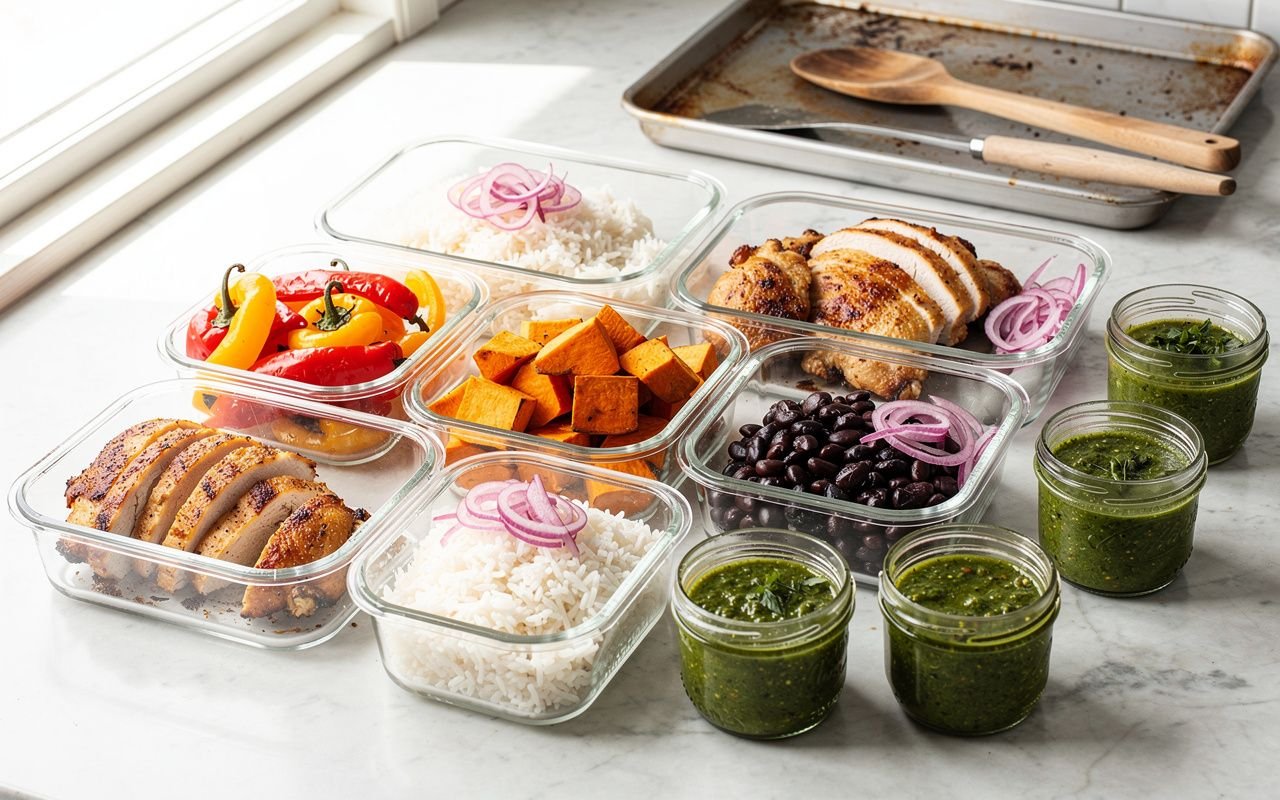
Good containers pay for themselves quickly. Glass containers with snap-on lids are durable, do not absorb odors or stains, and can go from fridge to microwave, and often to the oven, with the lid removed. Lightweight plastic containers are handy for lunches and freezer storage. Reusable silicone bags work well for produce and marinades, and beeswax wraps are a nice alternative to plastic wrap for covering bowls and cut cheese. Whatever you choose, favor stackable square or rectangular shapes, which use shelf space more efficiently than round ones.
Make it a weekly habit
Before grocery shopping each week, spend five minutes checking the refrigerator. Move older items to the front, plan a meal around anything that needs using, and toss anything past its prime. Keep an eat-first bin at eye level for leftovers and produce that need attention soon. It is a small routine, but it saves money, reduces waste, and makes weeknight cooking easier.
Want every recipe mentioned in the journal? Try the club free for 15 days.